You don't need a computer science degree to break into data science. Thousands of professionals have made the transition from teaching, marketing, finance, and other fields without formal technical ed...
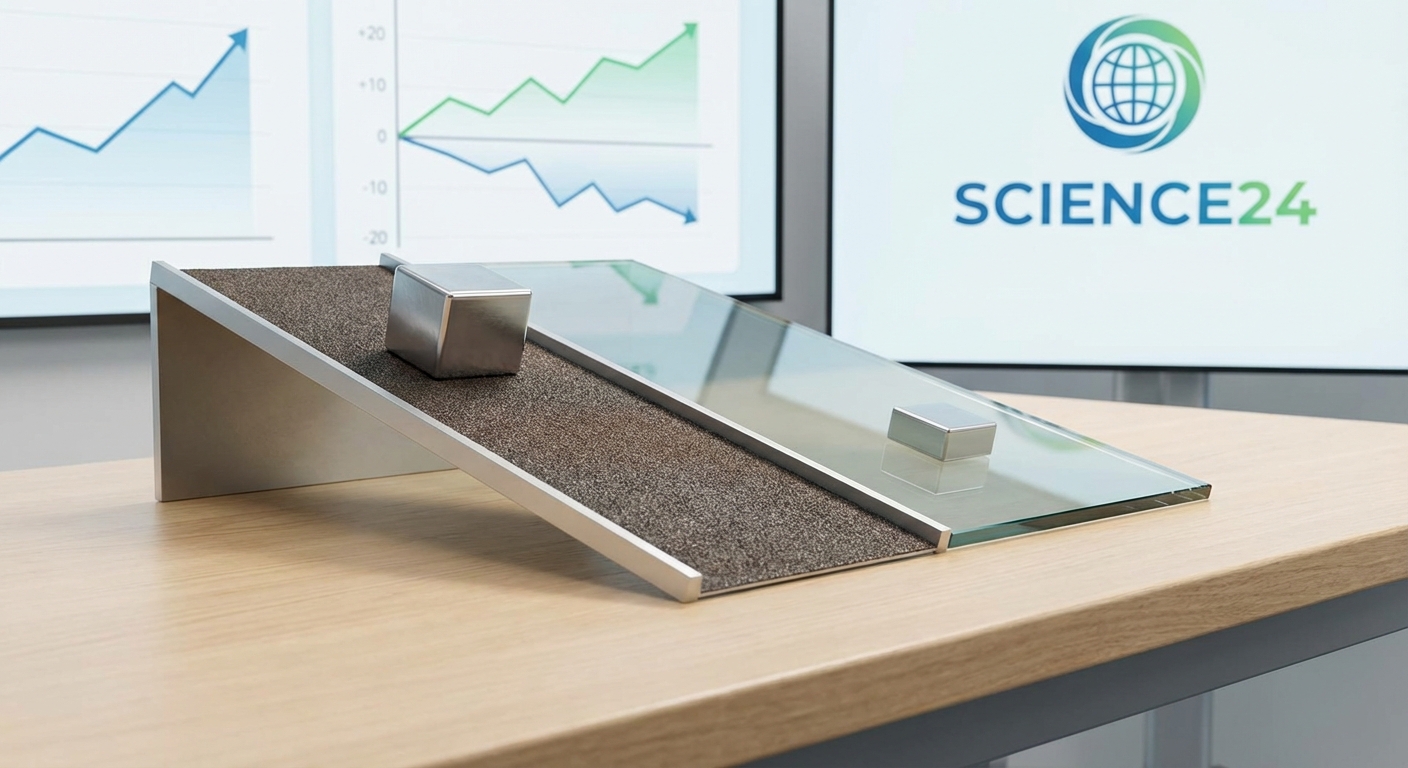
Friction gets a bad reputation in physics class. Students spend hours calculating how much energy it wastes, how it slows objects down, and how to minimize its effects. But here's the truth: without f...
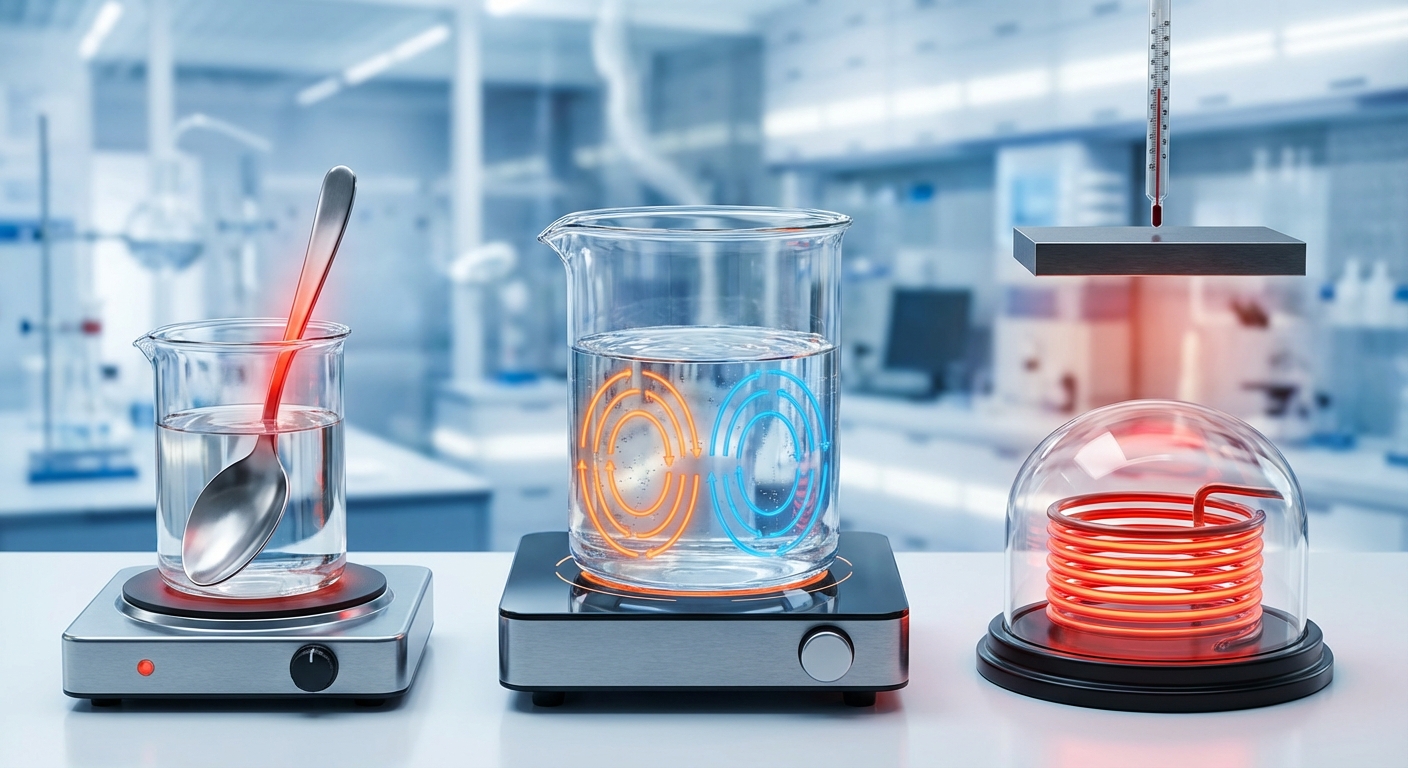
Whether you're holding a warm coffee mug, feeling the sun on your face, or watching steam rise from a pot, you're witnessing heat transfer in action. Understanding how thermal energy moves from one pl...
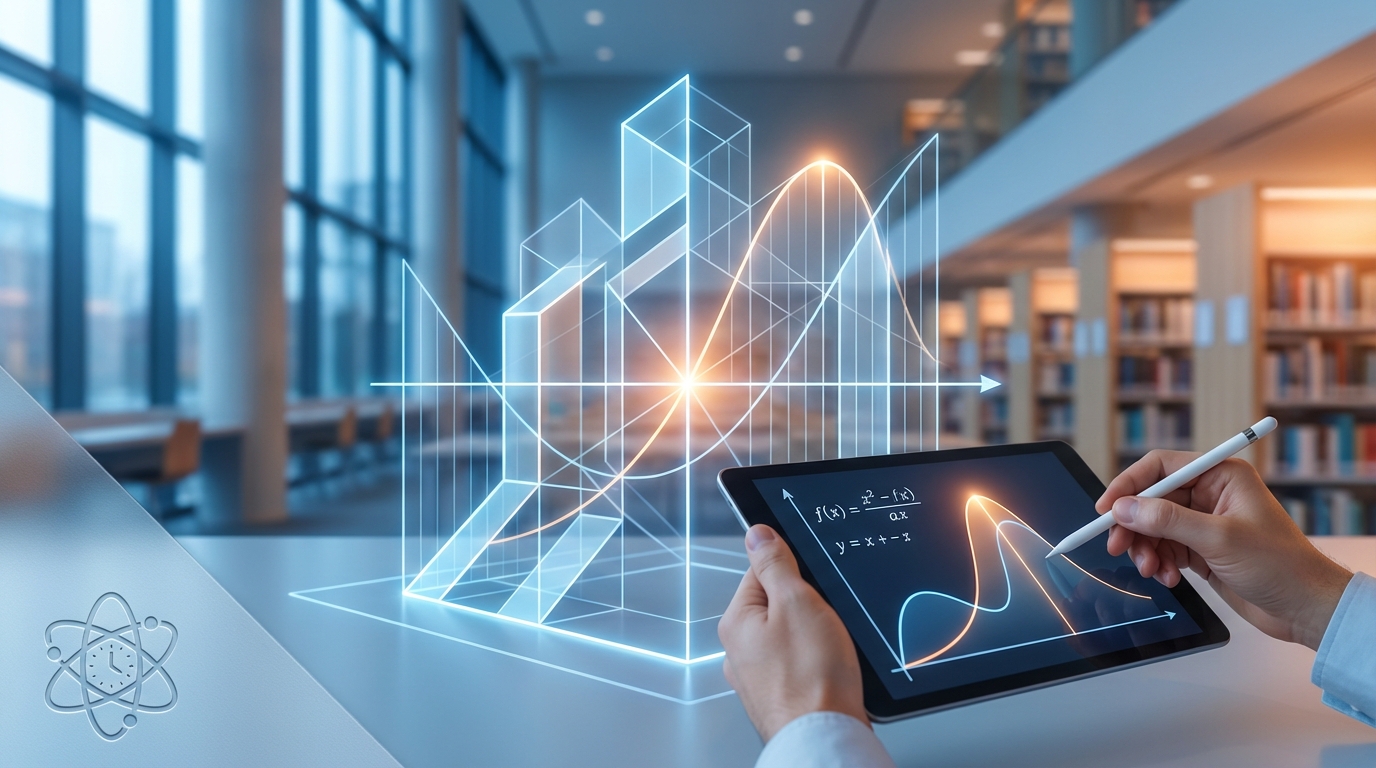
Calculus optimization problems have a reputation for stumping students. You read the problem, understand what it's asking, but then hit a wall when trying to set up the equations. The good news? Most ...
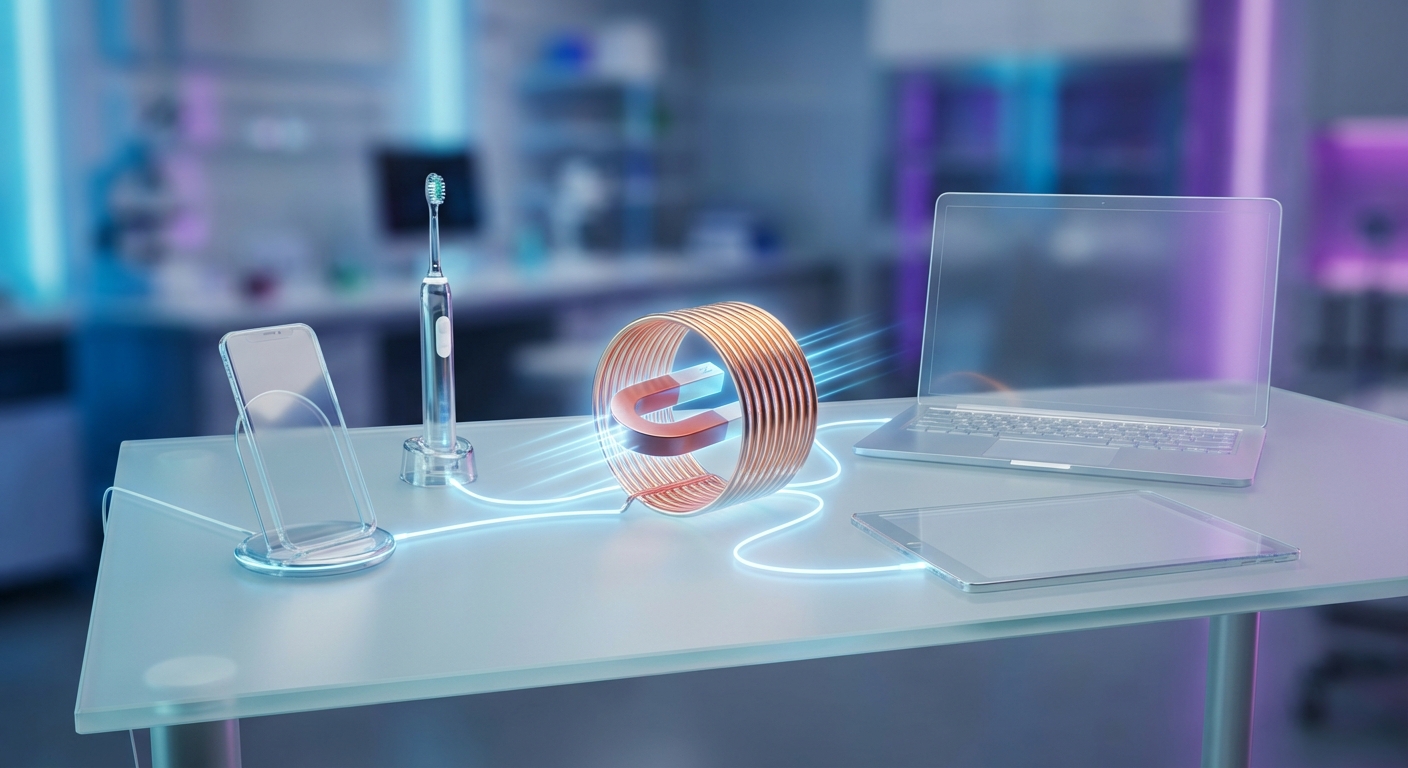
Your smartphone charges wirelessly on your desk. Your electric car accelerates silently down the street. Your induction cooktop heats a pan without flames. All these modern conveniences share a common...
Picture a grandfather clock ticking steadily in the corner of a room. Its pendulum swings back and forth with perfect rhythm, never speeding up or slowing down. That predictable, repetitive motion is ...
When two objects crash into each other, something fascinating happens with their energy. Sometimes the energy bounces back perfectly, like billiard balls clicking across a pool table. Other times, ene...
You push on a wall. The wall pushes back. Most students nod along when they hear this, thinking they understand Newton's third law perfectly. Then exam day arrives, and suddenly nothing makes sense. W...
Circular motion appears everywhere in physics. From cars rounding curves to satellites orbiting Earth, objects moving in circles require a special kind of force. Understanding how to calculate this fo...
Drop a bowling ball and a feather from the same height. Which hits the ground first? Your instinct probably says the bowling ball. And on Earth, with air resistance, you'd be right. But strip away the...