You wake up, and the alarm feels like an insult. Your coffee works for a while, but by 2:00 PM, you are staring at your screen with heavy eyelids. You eat well, you try to sleep enough, and yet the exhaustion is still there. You are not alone. Millions of health-conscious adults in the United States are dealing with the same problem in 2026. The usual advice about sleep and diet helps, but it does not solve the root cause. That root cause lives deep inside your cells, in tiny structures called mitochondria.
Your mitochondria are the microscopic power plants inside your cells that turn food into usable energy. When they slow down, you feel tired no matter what you do. In 2026, the most effective way to fight fatigue is to support your mitochondria with targeted nutrition, specific movement patterns, and better sleep hygiene. This guide shows you exactly how.
What Your Mitochondria Actually Do
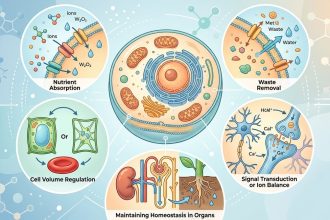
Think of your mitochondria as tiny batteries inside every cell. You have hundreds of them in each cell, and their only job is to produce ATP, the molecule your body uses for everything. When you move a muscle, your brain uses ATP. When you think, your brain uses ATP. When your heart beats, it uses ATP. Every single action depends on these little factories running well.
The process is called cellular respiration. It takes the food you eat, combines it with oxygen, and converts it into ATP. In 2026, researchers have confirmed that when mitochondria become less efficient, the whole body suffers. This is often called mitochondrial dysfunction, and it is a major driver of chronic fatigue.
Why Mitochondria Fatigue Happens
Mitochondria fatigue is not a medical diagnosis. It is a description of what happens when your energy factories cannot keep up with demand. Several factors cause this slowdown in 2026.
- Oxidative stress: Everyday metabolism creates free radicals. Too many free radicals damage mitochondrial membranes.
- Poor nutrition: Processed foods and sugar spikes force mitochondria to work harder without proper fuel.
- Lack of movement: Sedentary habits reduce the number of mitochondria in your cells.
- Chronic stress: Stress hormones like cortisol interfere with mitochondrial repair cycles.
- Inadequate sleep: Your mitochondria repair themselves during deep sleep. Without enough rest, they stay damaged.
Here is a simple breakdown of what helps versus what hurts.
| Action | Effect on Mitochondria |
|---|---|
| Eating whole foods with healthy fats | Provides clean fuel for ATP production |
| High-intensity interval training | Stimulates growth of new mitochondria |
| Getting 7 to 9 hours of sleep | Allows mitochondrial repair and cleanup |
| Eating processed sugar | Creates oxidative stress and reduces efficiency |
| Sitting for long periods | Lowers mitochondrial density in muscles |
| Chronic sleep deprivation | Prevents repair and increases damage |
The 2026 Approach to Fighting Fatigue
The best strategies in 2026 are not about supplements or gimmicks. They are about creating the right conditions for your mitochondria to thrive. Here is a practical process you can follow.
-
Eat for your mitochondria. Focus on foods rich in CoQ10, magnesium, and B vitamins. Think leafy greens, nuts, seeds, and fatty fish. Avoid processed seed oils that cause inflammation.
-
Move in short bursts. You do not need to run a marathon. Even a few minutes of intense movement, like sprinting up stairs or doing jumping jacks, signals your body to build more mitochondria.
-
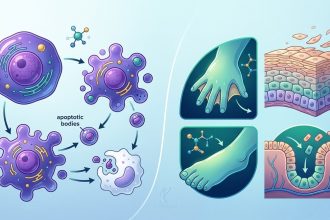
Prioritize sleep quality. Go to bed at the same time every night. Keep your room dark and cool. This is when your cells perform autophagy, the process of cleaning out damaged mitochondria.
-
Manage your light exposure. Morning sunlight helps set your circadian rhythm, which directly affects mitochondrial efficiency. In the evening, reduce blue light from screens.
-
Consider targeted supplements. Compounds like NAD+ precursors, CoQ10, and L-carnitine have shown real promise in 2026 studies. But always talk to a doctor first.
Dr. Sarah Chen, a researcher at Stanford University, puts it simply: “Your mitochondria are the bottleneck for your energy. If you fix the bottleneck, the rest of your health follows. In 2026, we have enough evidence to say that lifestyle changes are the most powerful tool we have.”
Common Mistakes That Make Fatigue Worse
Many people try to fight fatigue in ways that actually harm their mitochondria. Here are the most common errors.
- Relying on caffeine all day. Caffeine blocks adenosine, a chemical that makes you feel tired. But it does not fix the underlying energy problem. Eventually, your mitochondria get even more stressed.
- Skipping breakfast or overdoing fasting. Some fasting is good for mitochondrial repair, but extreme restriction can backfire. Your cells need steady fuel.
- Using too many supplements without a plan. More is not better. Some supplements can actually interfere with each other or cause oxidative stress.
- Ignoring stress management. High stress keeps your body in fight or flight mode, which diverts resources away from mitochondrial maintenance.
A simple rule is to check in with your body. If a habit makes you feel worse after a week, stop doing it.
How to Build a Mitochondria-Friendly Routine in 2026
You do not need to overhaul your entire life overnight. Small, consistent changes add up. Here is a sample day.
Morning:
– Get 10 minutes of sunlight within an hour of waking.
– Eat a breakfast with protein and healthy fats, like eggs with avocado.
Midday:
– Take a short walk after lunch. Even five minutes helps with blood sugar control.
– Do a two minute burst of exercise, like jumping jacks or squats.
Afternoon:
– Avoid the 3:00 PM sugar crash by eating a handful of nuts or an apple.
– Step outside for a minute of fresh air.
Evening:
– Dim the lights an hour before bed.
– Put your phone away 30 minutes before sleeping.
This routine is not complicated. It is consistent. That consistency is what your mitochondria need.
The Science Behind Movement and Mitochondria
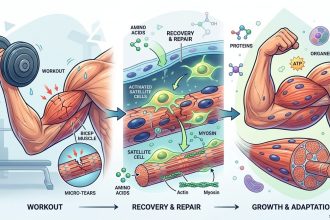
Exercise is one of the most powerful tools for fighting mitochondria fatigue in 2026. When you exercise, your muscles signal your body to make more mitochondria. This process is called mitochondrial biogenesis. It is controlled by a protein called PGC-1 alpha.
The best type of exercise for this is high-intensity interval training, or HIIT. Short bursts of intense effort followed by rest create the strongest signal for new mitochondria. But even moderate walking helps if you do it regularly.
If you want to learn more about how energy flows through your body, check out our guide on why cells need ATP and how it works. It explains the chemistry behind the energy you feel every day.
What the Research Says for 2026
The most exciting research in 2026 focuses on NAD+, a molecule that declines with age and directly affects mitochondrial function. Studies show that boosting NAD+ levels through precursors like nicotinamide riboside can improve energy and mental clarity. However, the best way to maintain NAD+ is through exercise and a healthy diet.
Another area of interest is intermittent fasting. Short fasting periods of 12 to 16 hours trigger autophagy, which removes damaged mitochondria. This is why you feel clearer and more energetic after a good night of sleep and a late breakfast.
Putting It All Together for Real Energy
Your mitochondria are not a mystery. They are biological machines that respond to what you do every day. When you feed them well, move your body, sleep deeply, and manage stress, they reward you with steady, clean energy. When you ignore them, you get fatigue, brain fog, and burnout.
In 2026, the solution is not a magic pill or a complicated protocol. It is a return to the basics of human biology. Eat real food. Move your body. Sleep in darkness. Get morning light. Manage your stress. These things work because they support the tiny power plants inside your cells.
Start with one change today. Maybe it is a walk after lunch. Maybe it is turning off your phone an hour before bed. Whatever you choose, stick with it for a week. You will notice the difference. Your mitochondria are waiting for you to give them what they need.